What are Food Deserts?
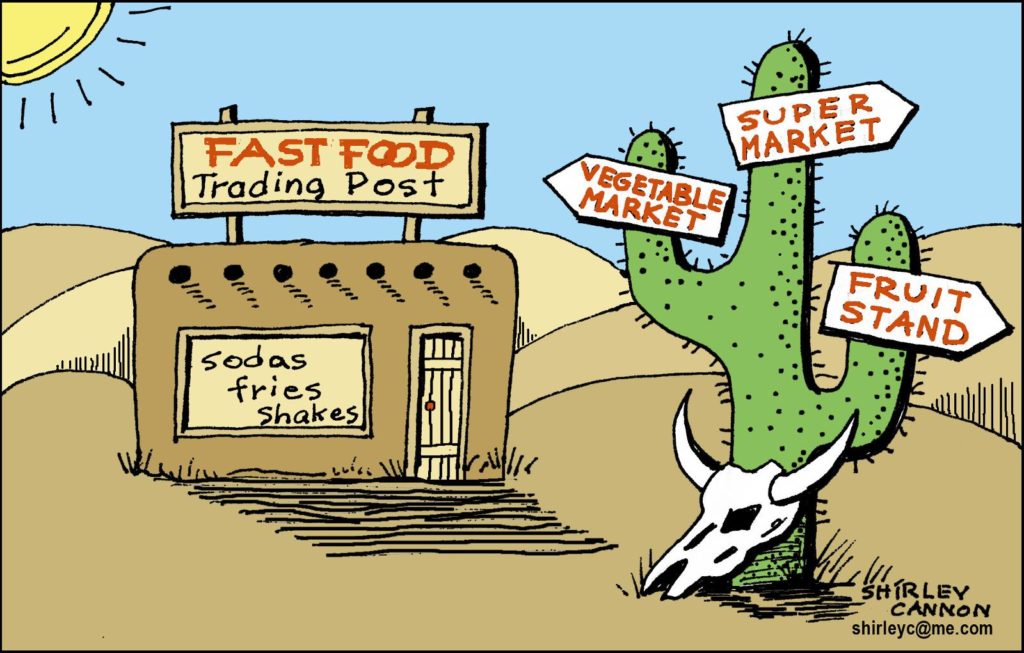
Food Deserts are areas that are underdeveloped, and so they are unable to access nutritious and healthy diet options, which is a problem because consuming unhealthy foods over a long period of time, can lead to diseases like strokes, heart diseases, diabetes, and obesity. Within our location, there are two specific places that are classified as a food desert, which are Newport News and Hampton. In these areas, you can see multiple fast food restaurants, and grocery stores that offer cheaper, but less nutritious food options, which could all lead to the diseases stated before.
Why is Nutrition Important?
Nutrients are the basic necessities that the human body needs to function properly, and help you maintain a healthy lifestyle and keep you safe from diseases by boosting your immune system. They provide you with the energy to complete daily tasks and activities. This is proved by the medical school from Harvard, as they have stated on their website, “The foods you eat supply the nutrients your body needs to maintain your brain, muscle, bone, nerves, skin, blood circulation, and immune system. Proper nutrition also helps protect you from illness and disease such as heart disease, diabetes, cancer, and osteoporosis.” Healthy foods also help you develop normally, which in the end can affect other aspects of your body and life, for example, your immune system, longevity, risk of contracting a disease because you’re deficient in a vitamin or mineral.
What Foods are Beneficial?
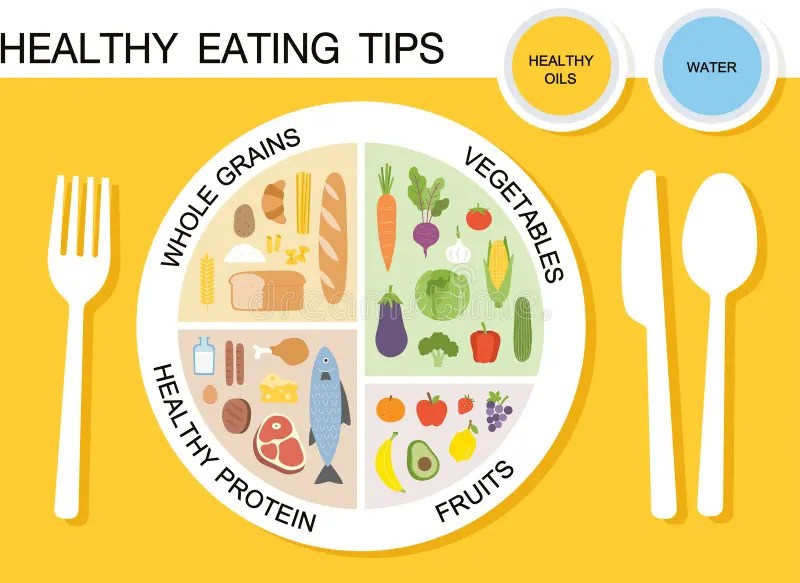
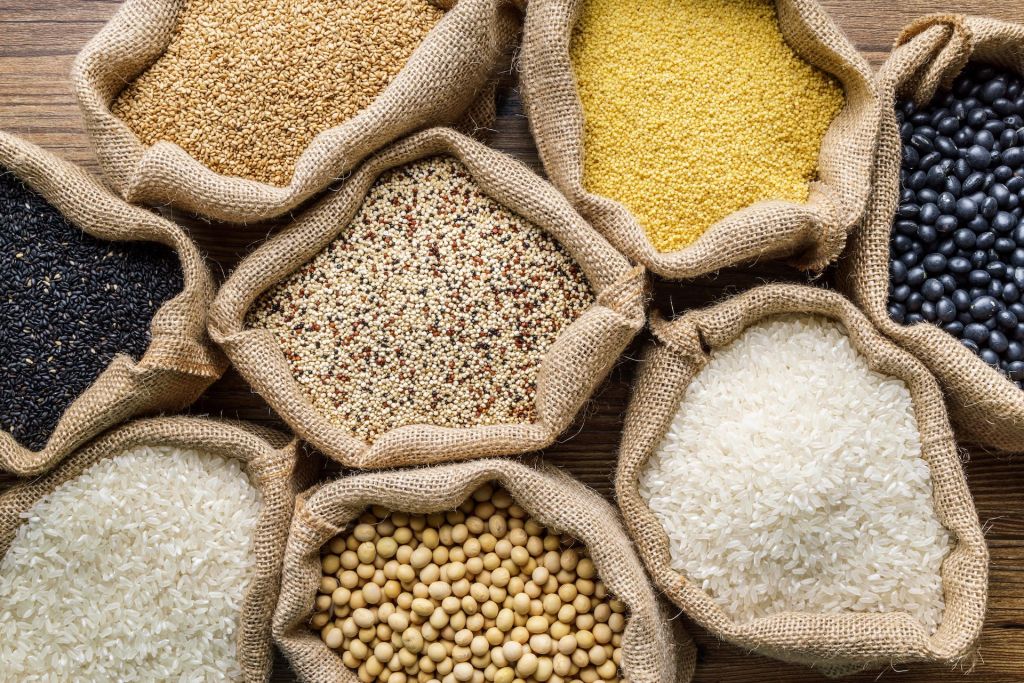
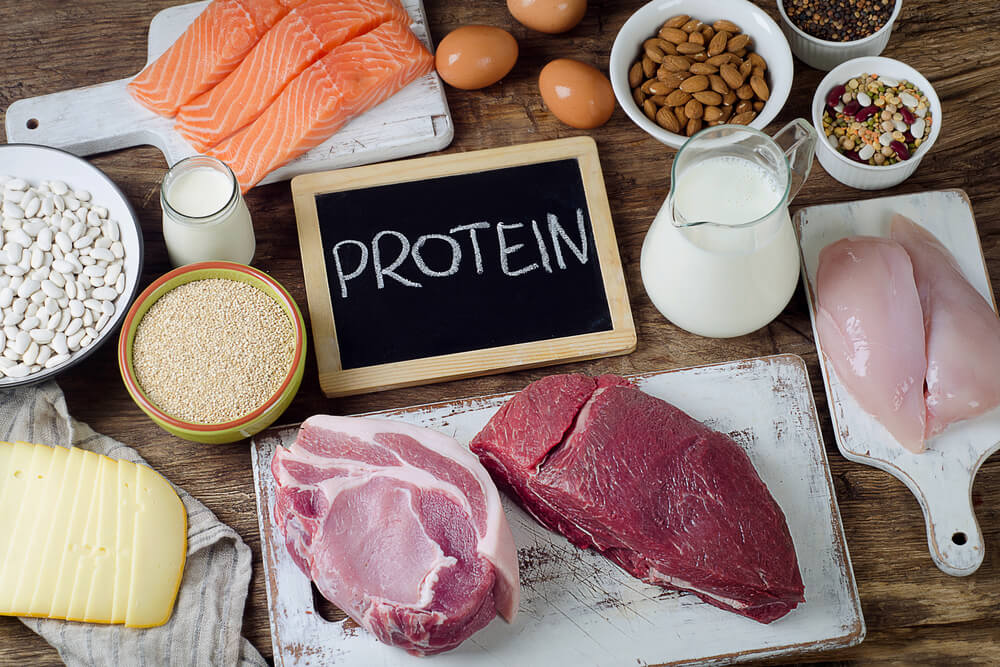
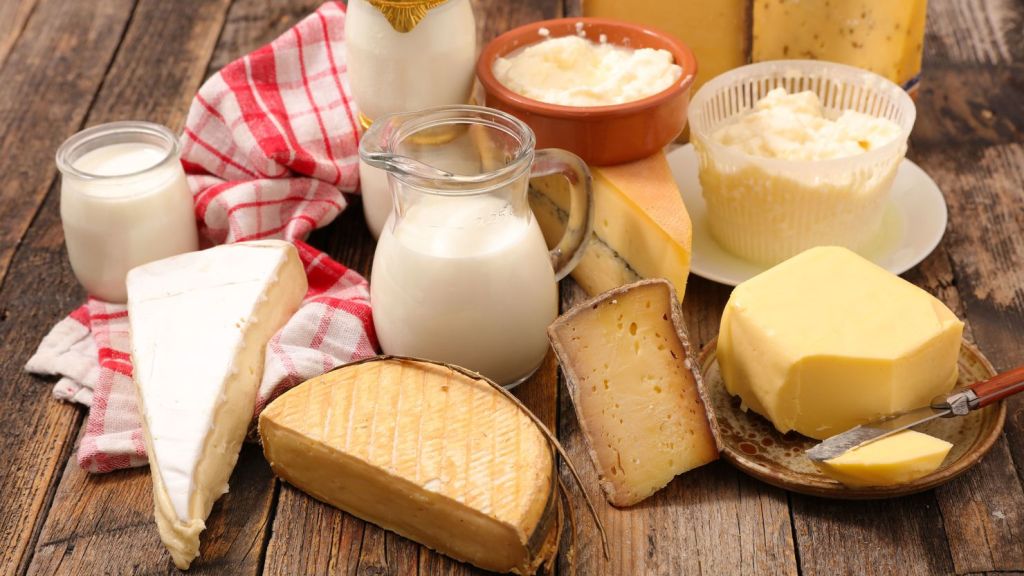
To have a healthy meal and diet, it is said to consume foods from different food groups, like dairy, vegetables, whole grains, lean protein, fruits, and unsaturated fats.
Fruits and Vegetables
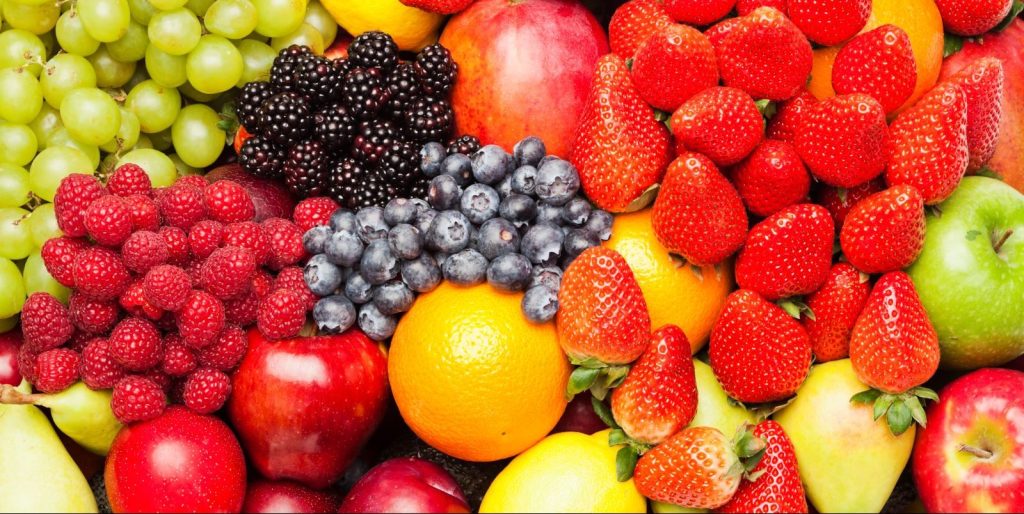
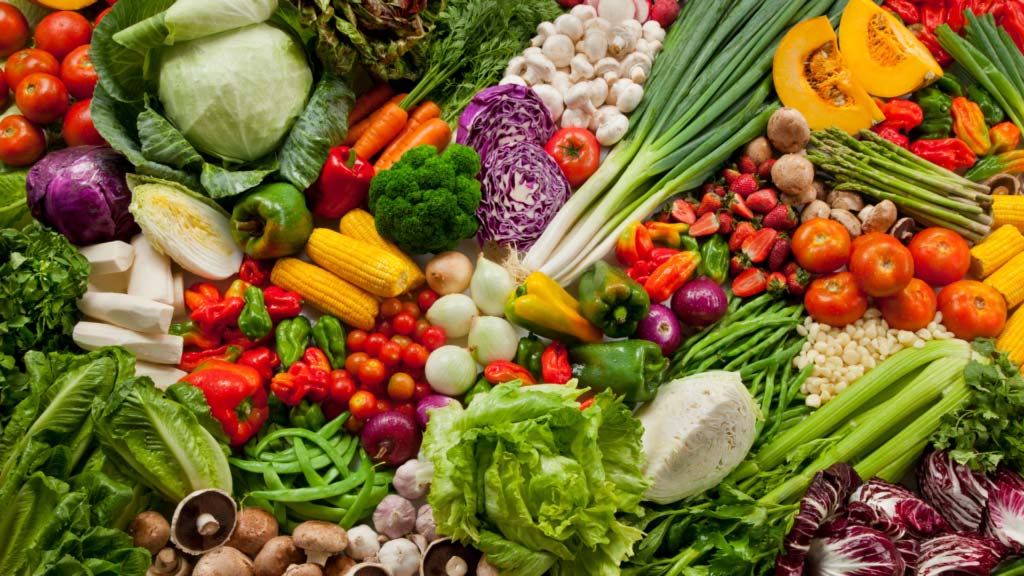
Fruits and vegetables are necessary because they are rich in vitamins and minerals, and they contain a lot of fiber (which helps with digestion).
Some examples would be apples, bananas, berries, broccoli, carrots, and corn.
Grains
Grains along with proteins, are where you get most of your energy. Grains also contain sources of complex carbohydrates, fiber, Vitamin B, and minerals (eg. Iron, Magnesium, and Selenium).
Some examples of Whole grain would be brown rice, quinoa, and oatmeal.
Protein
Proteins are used throughout the entire human body as it is used to make and repair your tissues, it provides keratin, which is used to make your hair, and protein also makes muscles and bones.
Some examples of lean protein would be chicken breast, fish, eggs, and beans.
Dairy
Dairy products are rich in calcium and vitamin D, which is very crucial for your body parts, like your teeth and bones. Dairy products are also crucial for muscle function and immune support.
Some examples of dairy products would be milk, yogurt, and cheese.
How Much Should I Eat?
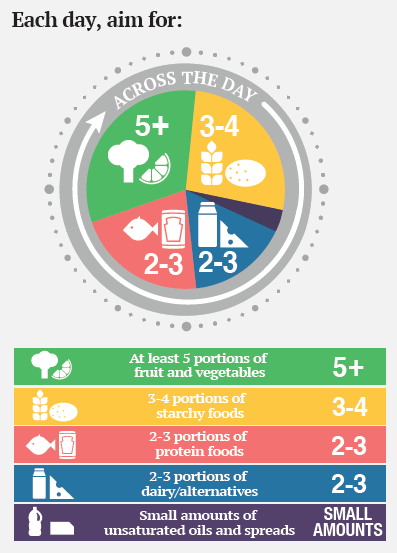
Sites
- It is important to consume at least 1.5-2 cups of fruits, 2-3 cups of vegetables, 3-6 servings of grains, 0.75 grams of protein, and finally, 3 cups of dairy.
- While it is important to eat these essential food groups, remember, eating too much of a singular group might not be beneficial, and actually harm you.
- “Commodity Costs and Returns.” Home | Economic Research Service, http://www.ers.usda.gov/. Accessed 4 May 2025.
- “Eat Healthy with Myplate.” MyPlate.Gov | U.S. Department of Agriculture, http://www.myplate.gov/. Accessed 4 May 2025.
- Hicklin, Tianna. “How Dietary Factors Influence Disease Risk.” National Institutes of Health, U.S. Department of Health and Human Services, 21 Mar. 2017, http://www.nih.gov/news-events/nih-research-matters/how-dietary-factors-influence-disease-risk.
- “Nutrition.” Edited by Mallika Marshall, Harvard Health, http://www.health.harvard.edu/topics/nutrition. Accessed 4 May 2025.
 Teens for Action and Sustainability